
My Story
My name is Gillian. I am a professional counsellor registered with the Canadian Professional Counsellor's Association (CPCA) with a provisional MPCC-P designation. I live in the city of Vancouver, located on the traditional, ancestral, and unceded territories of the xʷməθkʷəy̓əm (Musqueam), Sḵwx̱wú7mesh (Squamish), and səl̓ilwətaɬ (Tsleil-Waututh) Nations.
Gillian Elizabeth
Mcfarland
A place to put down what you've been carrying.
For those living with chronic illness: the exhaustion, uncertainty, grief, isolation, and endless effort of trying to keep up weighs heavy. Therapy is a place where you can show up as you are, with no pressure to justify or minimize your experience.
You deserve a space where you feel seen and cared for.
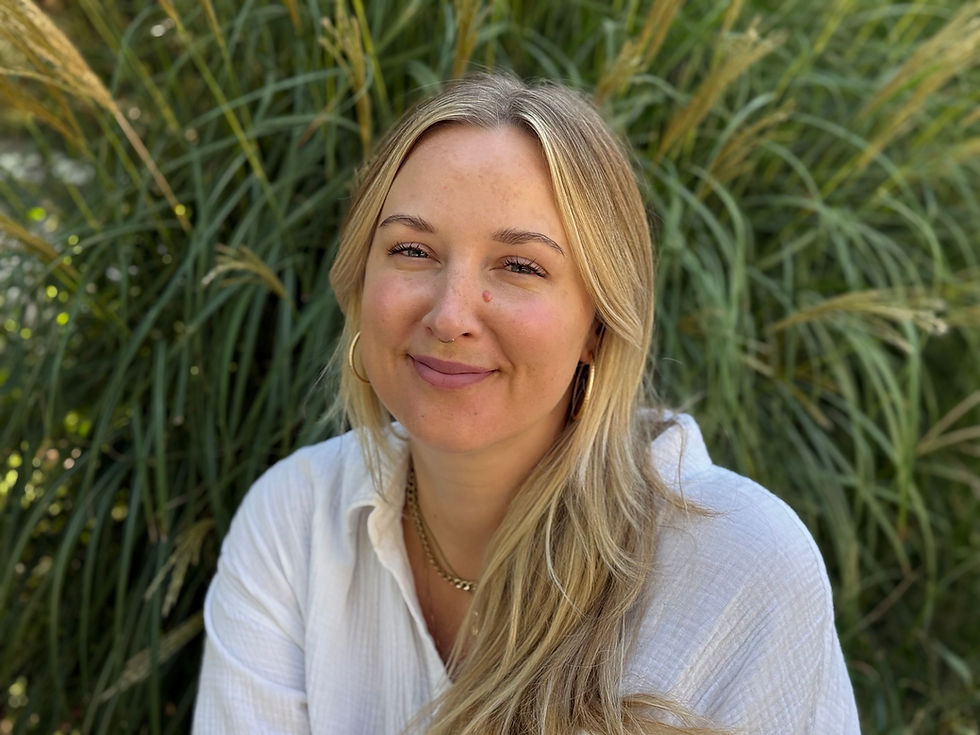
As a therapist who personally lives with a chronic autoimmune disease, I understand deeply how these challenges permeate every aspect of your life.
Living with a chronic illness often involves carrying a weight that others cannot see. Beyond the physical toll of fatigue and pain, there is a heavy emotional burden, from navigating medical systems, rationing your energy, pauses or changes in career and managing relationships while your body remains unpredictable.
You deserve a place to be completely honest about the fear, anger, isolation, grief and exhaustion, without needing to maintain a positive facade. It is also a place to celebrate your wins, fostering hope, acceptance and inspiration.
My goal is to support you in building a meaningful life that honours your current energy and body rather than constantly fighting against yourself. You do not have to navigate this journey alone.
Therapeutic Approach
Person-Centered, ACT, Somatic, CBT and Mindfullness.
My approach to counselling is compassionate, person-centred, and body-aware. I draw primarily from Acceptance and Commitment Therapy (ACT), Cognitive Behavioural Therapy (CBT), somatic approaches, and mindfulness.
Together, we can explore slowing down, listening to the body, finding space for rest, reframing limiting beliefs, building hope, and developing practical strategies for navigating what is present now. We can discover ways to honour your capacity, support your changing needs, and discover ways of living that feel meaningful.
At its heart, therapy is an invitation to go deeper and practice self-love, gently coming home to yourself again and again.
Crisis Resources:
If you are in immediate danger or concerned about your safety, call
911 or go to your nearest emergency room.
British Columbia (BC)
310-6789 – BC Mental Health Support Line (no area code needed, 24/7)
1-800-SUICIDE (1-800-784-2433) – 24/7 crisis line in BC
Canada-wide
9-8-8 – Suicide Crisis Helpline (call or text, 24/7 across Canada)
Cultural & Community Support – Vancouver, BC
Indian Residential School Survivors Society: 1-800-721-0066
KUU-US Crisis Line (Indigenous-specific, BC): 1-800-588-8717
Vancouver Aboriginal Friendship Centre: (604) 251-4844